Empowering Youth Artists to use the Arts to raise Awareness on Youth Health and Life Skills.
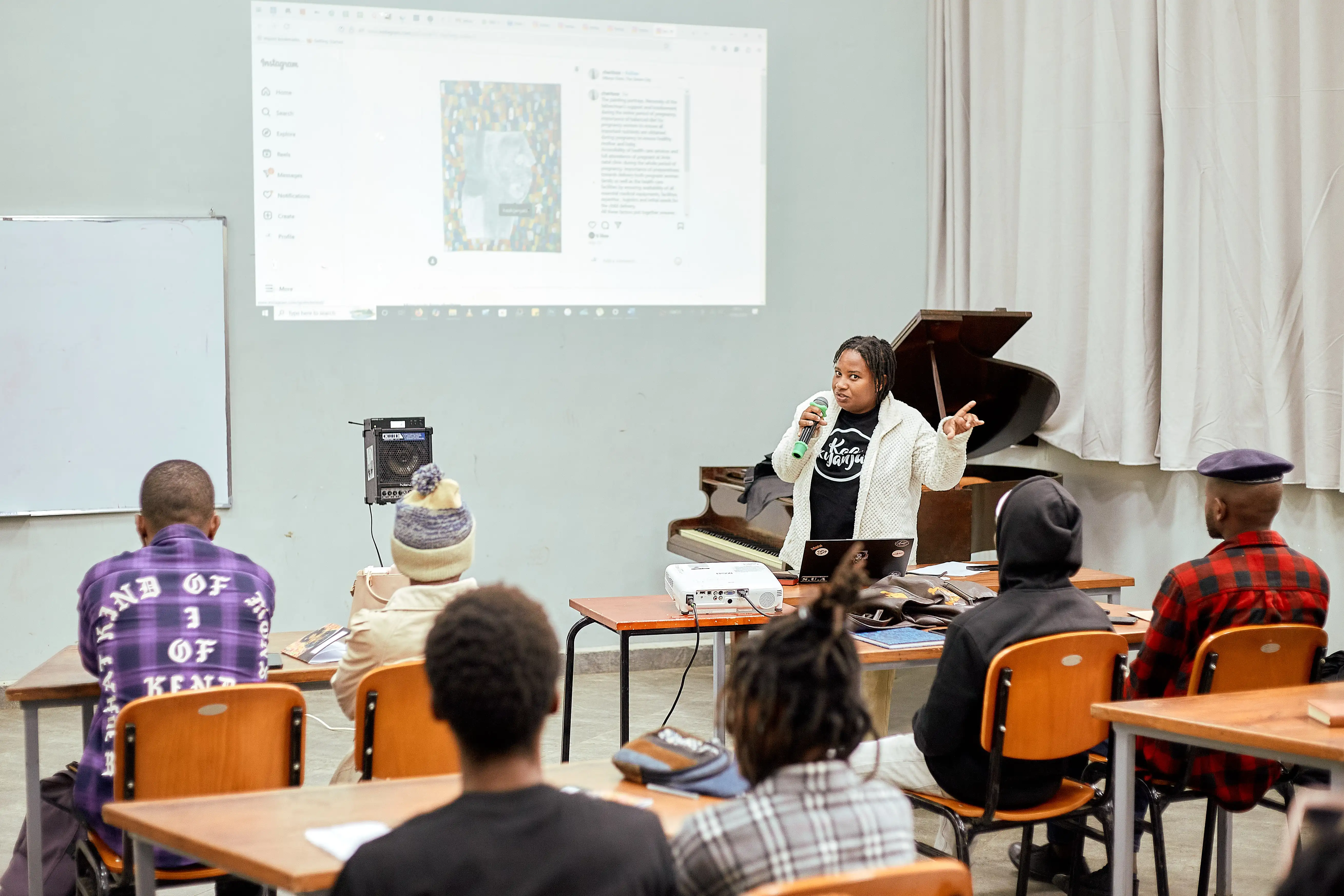
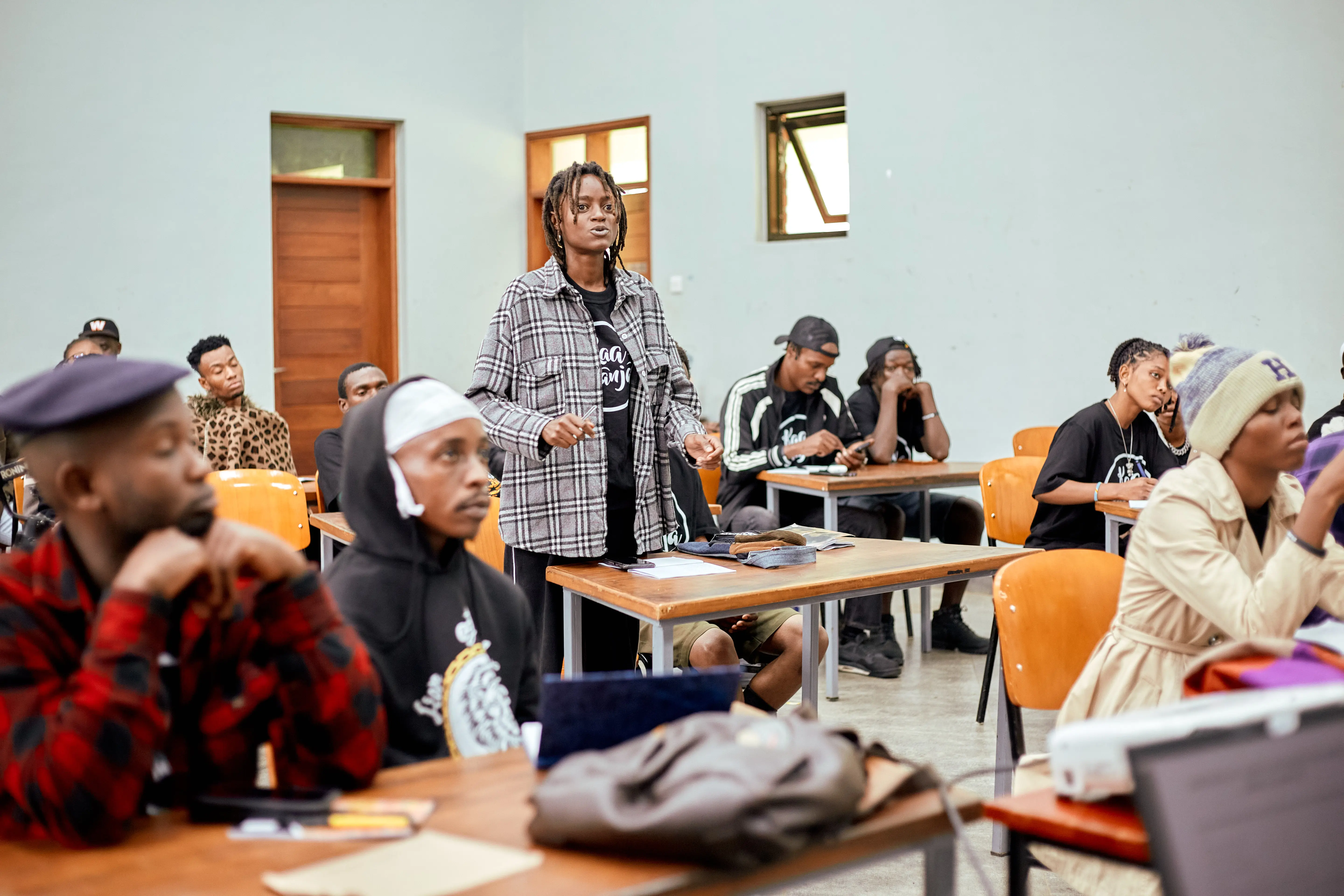
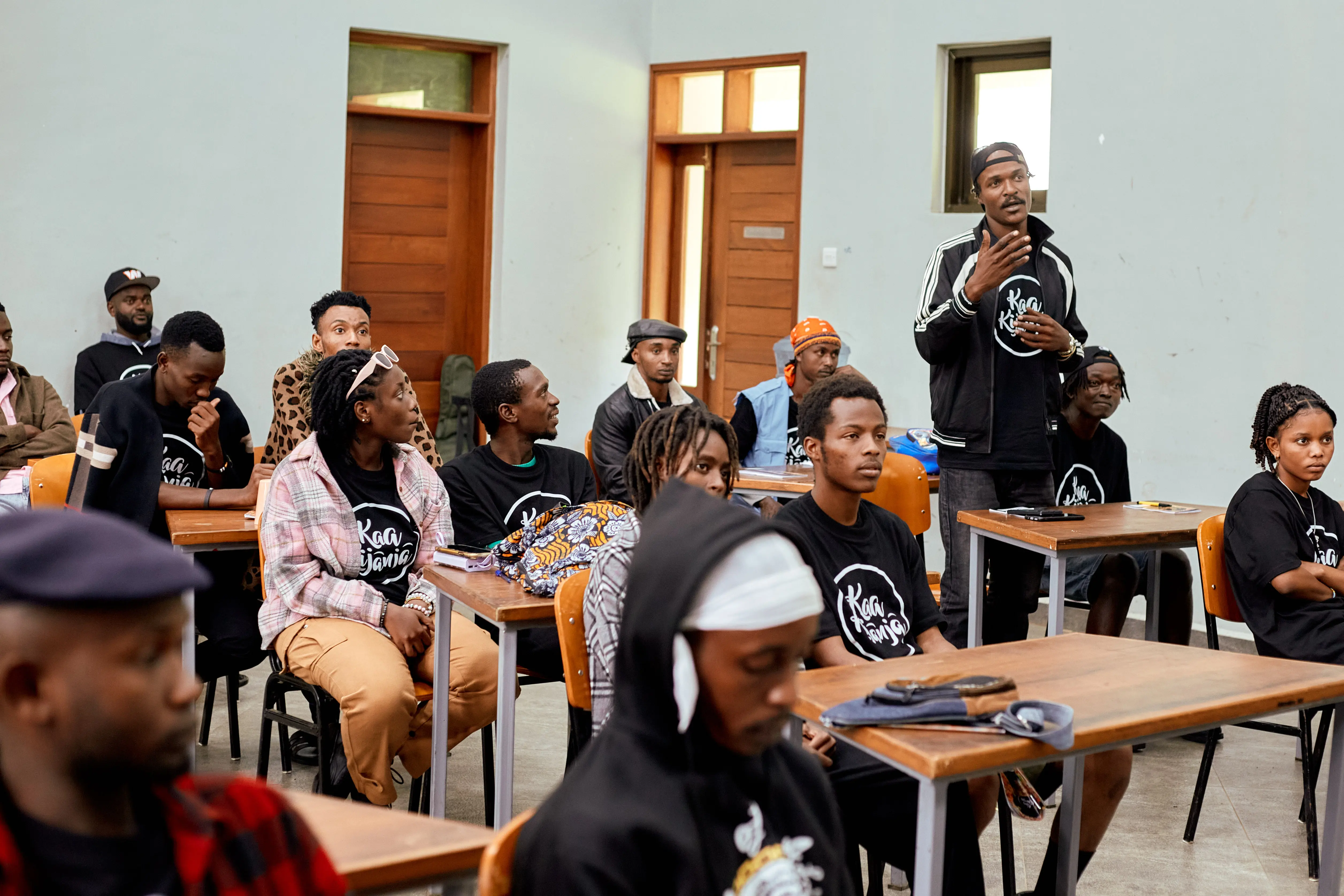
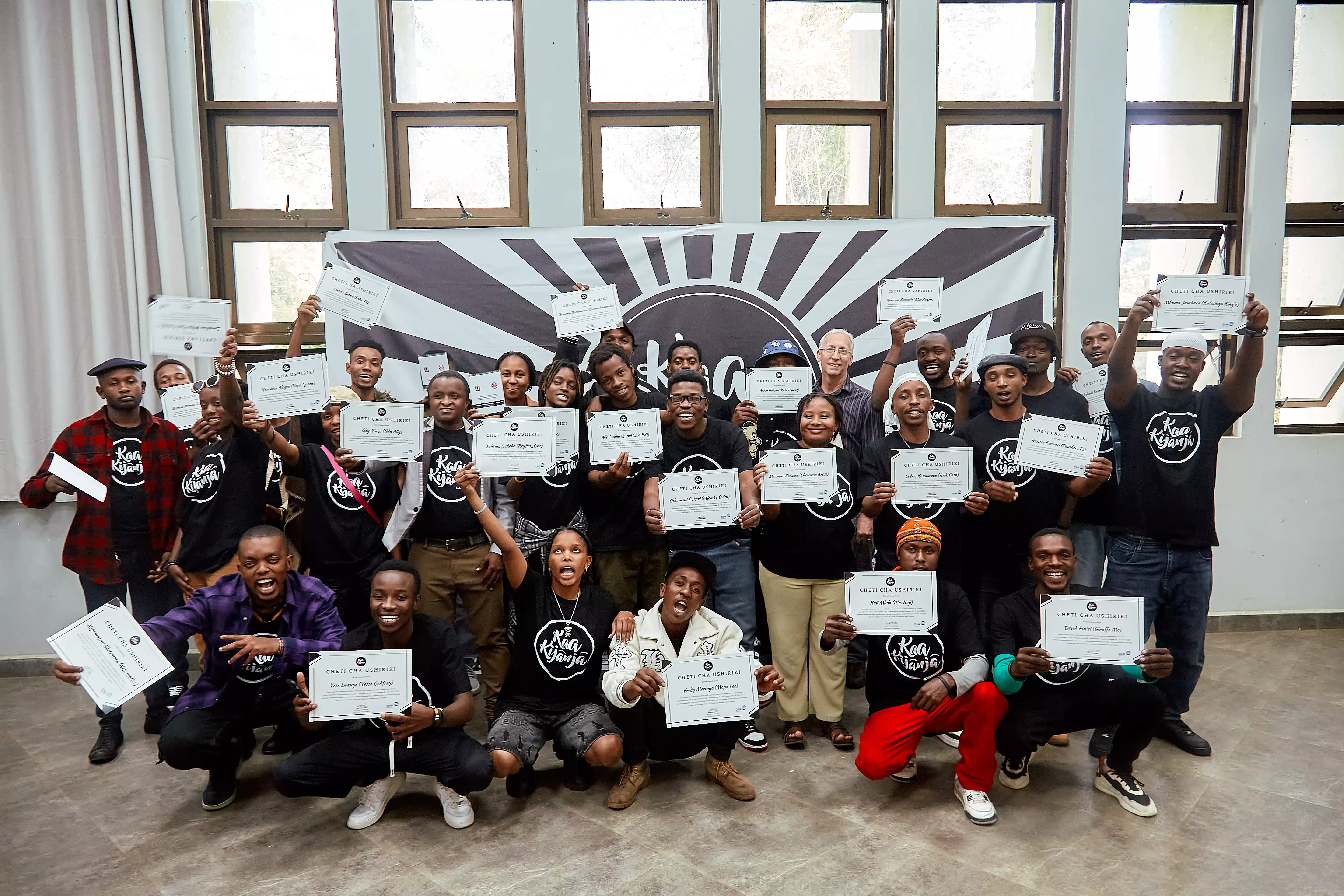
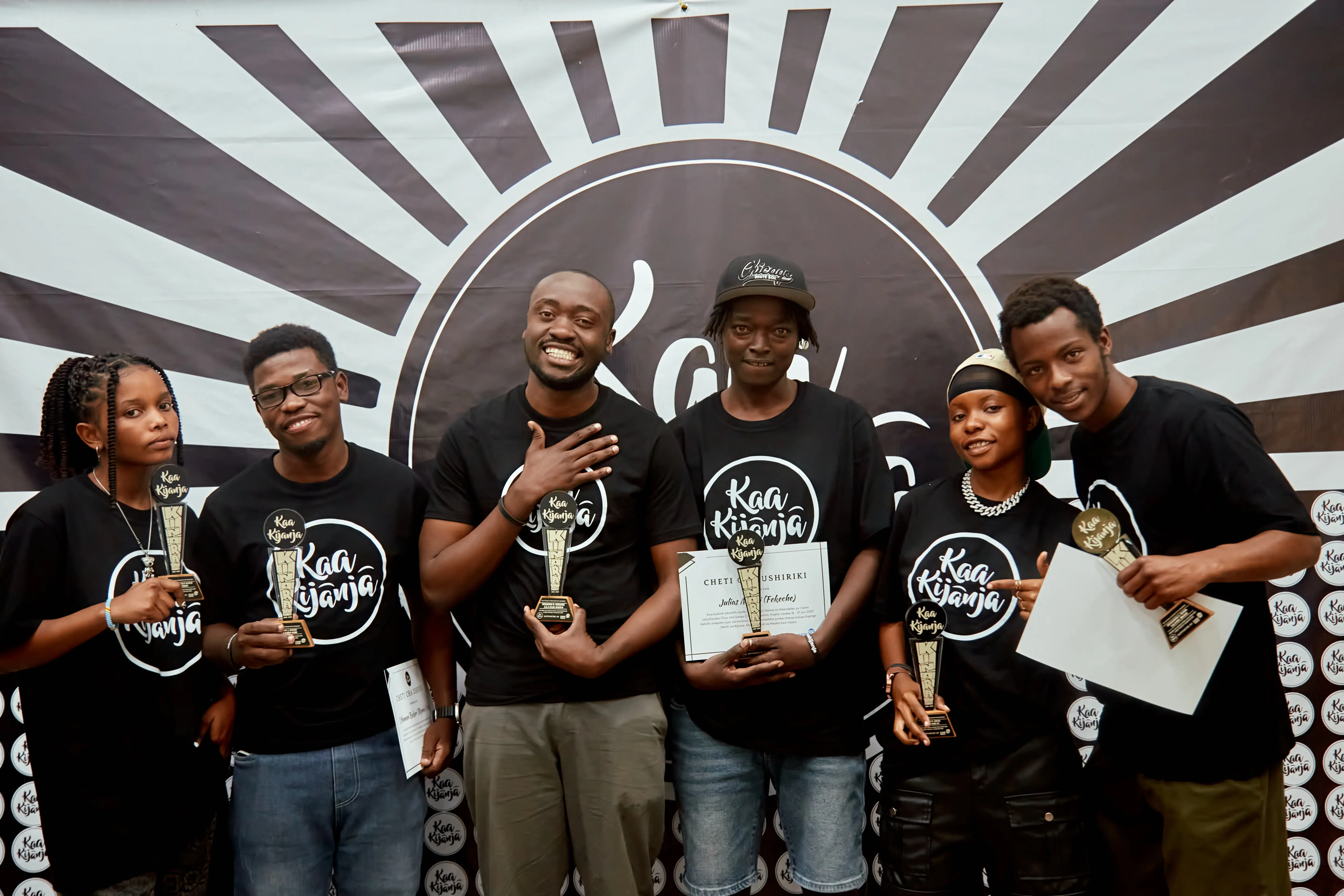
Can art change lives? For 25 young emerging artists from across Tanzania, the answer is a bold YES. In June 2025, Kaa Kijanja Organization brought these rising talents together for an intensive two-day training, equipping them with the knowledge, tools, and confidence to use art as a force for education and social transformation. These artists were carefully selected from 107 contestants who took part in the Kaa Kijanja Sanaa Challenge 2025, a competition that encouraged creative expression to promote Gender-Based Violence Prevention, Youth Health, and Life Skills.
On 18 June 2025, participants dove into the pressing issues young people face today. Led by Dr. Elinasi Nyari, an expert in adolescent reproductive and mental health, the artists explored:
- The role of Mental Health in helping youth make informed choices
- Reproductive Health and nutrition essentials
- Life skills for navigating social and economic challenges
On the second day, 19 June 2025, participants broadened their perspective with guidance from two key facilitators: Ms. Restituta Mvungi, Social Welfare Officer from Meru District, presented sessions on:
- The National Plan of Action to End Violence Against Women and Children (MTAKUWWA II 2024/25–2028/29)
- The role of ethics and values in building a safer society
- The artist’s responsibility in shaping public discourse and social awareness
The Kaa Kijanja Arts Caravan showed that art can Mr. Hassan Job, an Arts Officer from the National Arts Council (BASATA), led an eye-opening session on the power of creative work in delivering positive messages and promoting national development. He emphasized:
- The importance of formal artist registration through the AMIS (Artist Management Information System) for legal recognition and access to opportunities
- The need for professionalism, ethical standards, and accountability in the arts
- Encouraging artists to take part in official festivals and artistic projects for personal and community growth
Each participant received a digital copy of the Artists’ Code of Ethics from BASATA, offering ongoing guidance for their artistic journey.
Over two impactful days, participants gained rare insight into how to initiate meaningful conversations through their work, whether in music, visual art, theatre, or poetry. The training empowered them to view their craft not just as entertainment, but as a platform for education and social change.
This training is part of the Reproductive Equity Strategy in Tanzania (REST) project, implemented in the Arusha Region. The project aims to build the capacity of youth and youth-led organizations to reach their social and economic goals. It also supports the implementation of key national policies and strategies, including:
- The National Agenda for Investing in Adolescent Health and Wellbeing (NAIA-AHW)
- The National Youth Development Policy
- The MTAKUWWA II National Action Plan
- The Cultural Policy
For these 25 emerging artists, this wasn’t just a training—it was the beginning of a journey. A journey of using their creativity as a voice of hope, education, and true transformation within their communities.
#SayNoToGBV #KaaKijanja #ArtsCaravan #Arusha #YouthPower
Share Article: